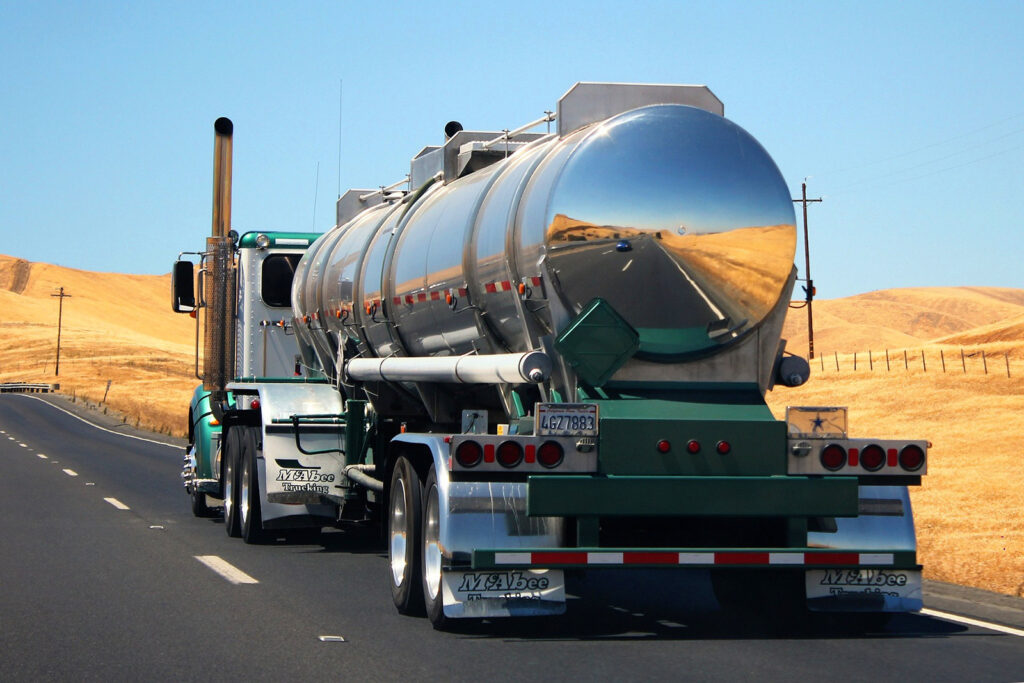



Moving goods from one place to another is never just about transport. In industrial logistics, especially when chemical products or bulk cargo are involved, safety becomes a central part of the entire operation. It shapes how vehicles are prepared, how drivers are trained, how routes are planned, how documentation is handled, and how companies respond when something does not go according to plan.
That is why safety in chemical and bulk logistics cannot be treated as an optional add-on or a checkbox at the end of the process. It must be built into the way operations are planned and executed from the very beginning.
For businesses that depend on reliable logistics support, safety is not only about protecting cargo. It is also about protecting people, reducing operational risk, safeguarding infrastructure, supporting compliance, and building long-term trust with customers. In many ways, safety is what separates ordinary transport from responsible industrial logistics.
Chemical and bulk movement comes with higher responsibility
Transporting bulk materials and chemical products is different from handling everyday cargo. These movements often involve products that require more attention, more control, and more disciplined operating practices. The margin for error is smaller, and the consequences of carelessness can be far more serious.
Even when a journey appears routine on paper, the reality on the road is influenced by many variables. Traffic conditions, weather, vehicle readiness, loading and unloading environments, road quality, site access, and driver fatigue all affect the safety of movement. When cargo is sensitive, the importance of planning and discipline increases even further.
This is one reason why businesses in manufacturing, chemicals, industrial supply chains, and related sectors usually look for logistics partners who understand that safe movement is not just a service promise. It is an operating standard.
Safety protects people first
The most important reason safety matters is simple: it protects people.
Every movement involves human beings at multiple stages. Drivers are directly exposed on the road for long periods. Loading and unloading personnel work in active environments where alertness and coordination matter. Supervisors, dispatch teams, and customer-side teams all depend on safe operational practices to reduce risk.
A single lapse in judgment, a missed readiness check, or a poorly managed situation can create danger not only for the driver and logistics team, but also for other road users and site personnel. This is why a safety-first culture must go beyond written policy. It needs to be visible in day-to-day behavior, decision-making, and operational discipline.
Responsible logistics companies understand that safety is not merely a technical matter. It is a human responsibility.
Safety supports cargo integrity and operational reliability
When safety standards are strong, cargo movement becomes more reliable. That is because the same habits that reduce safety risks also improve consistency.
A well-prepared vehicle is less likely to face avoidable disruptions. A properly briefed driver is better equipped to handle real-world conditions responsibly. Clear route planning reduces confusion. Document readiness prevents delays at checkpoints or sites. Communication between teams improves coordination.
In other words, safe operations often lead to smoother operations.
This is especially important in chemical and bulk logistics, where customers are not just looking for a transporter. They are looking for a partner who can support continuity, reduce uncertainty, and bring discipline into the movement process.
When a logistics operation is built on safety, it usually performs better in practical terms as well. There are fewer avoidable issues, better response when challenges arise, and stronger confidence across the supply chain.
Safety helps reduce environmental and infrastructure risk
Another reason safety matters in chemical and bulk logistics is that the impact of mistakes can go beyond the immediate trip.
Improper handling, poor route discipline, lack of preparedness, or weak on-road practices can increase the risk of spills, damage, operational disruption, and wider environmental consequences. Even when incidents are small, the reputational and financial effects can be significant.
Road infrastructure, customer sites, and surrounding communities all benefit when logistics companies operate with stronger control and awareness. A responsible transport operation respects the reality that industrial movement does not happen in isolation. Every trip is part of a larger ecosystem of public roads, industrial areas, commercial activity, and shared safety expectations.
This is why safety should never be viewed only from an internal company perspective. It also reflects a company’s sense of responsibility toward the broader environment in which it operates.
Safety builds trust with customers
In logistics, trust is earned through consistency.
Customers want to know that their logistics partner will not cut corners, improvise carelessly, or treat serious operations casually. They want confidence that the transporter they choose understands the importance of planning, discipline, communication, and operational control.
A strong safety culture helps create that confidence.
When a logistics company takes safety seriously, customers notice it in many ways. They see it in the professionalism of communication. They see it in the way requirements are understood before movement begins. They see it in the importance given to readiness, documentation, and site conditions. They see it in the company’s ability to stay calm and structured under pressure.
Over time, safety becomes part of the company’s reputation. It tells customers that the business is built on responsibility, not shortcuts.
In sectors where timing, compliance, and risk control all matter, that trust can become one of the most valuable strengths a logistics provider has.
Driver readiness is one of the foundations of safe logistics
No matter how good the planning is on paper, the driver remains central to safe execution.
In chemical and bulk logistics, driver readiness means more than simply having someone available for the route. It involves alertness, discipline, situational awareness, and the ability to respond responsibly to changing conditions on the road. Safe driving behavior, responsible decision-making, and adherence to operating expectations all play a critical role.
This is why companies that care about safety invest in reinforcing safe driving habits and operational discipline. Training, reminders, supervision, and clear expectations all contribute to a stronger culture.
A safety-first operation understands that drivers are not just executing transport. They are carrying the company’s standards with them on every trip.
Vehicle readiness matters just as much
A safe operation also depends on the condition and preparedness of the vehicle.
In industrial logistics, “fit for purpose” is an important concept. Vehicles should be maintained and operated in a way that supports the practical demands of the cargo and route. Readiness checks, regular attention to equipment condition, and a disciplined maintenance mindset all help reduce avoidable risk.
Vehicle readiness is not glamorous, but it is essential. A transport company may speak confidently about service quality, but if the basics of vehicle fitness are neglected, the entire operation becomes more vulnerable.
Reliable logistics depends on mechanical preparedness just as much as it depends on human discipline.
Route planning is a safety decision, not just an efficiency decision
Many people think of route planning mainly in terms of time and cost. But in chemical and bulk logistics, route planning is also a safety decision.
A route must be practical not only for movement efficiency, but also for operational control. Road conditions, traffic patterns, site access, congestion risks, and local realities can all influence how safely and smoothly a movement is carried out.
Good route planning reduces last-minute confusion and supports better decision-making throughout the trip. It helps dispatch teams stay coordinated, drivers stay informed, and customers stay updated. It also creates a more predictable movement process overall.
When companies overlook this part of logistics, they often create unnecessary exposure. When they take it seriously, the operation becomes more stable and better managed.
Emergency preparedness shows operational maturity
No matter how carefully a movement is planned, logistics always involves real-world uncertainty. That is why emergency preparedness is such an important part of safety.
Preparedness does not mean expecting failure. It means being ready to respond responsibly if something goes wrong.
A mature logistics operation understands the value of basic safety equipment, clear escalation practices, internal communication discipline, and a calm response mindset. It recognizes that how a company reacts during an unexpected situation says a great deal about the quality of its operations.
Preparedness is one of the clearest signs that a logistics company takes safety seriously. It shows that the company is not relying only on routine success, but is also thinking ahead about risk and responsibility.
Safety is not only a policy. It is a culture.
One of the biggest mistakes companies make is treating safety as a document rather than a culture.
Policies matter. Procedures matter. Checklists matter. But on their own, they are not enough. Real safety comes from repeated behavior, reinforced habits, and leadership that treats safety as part of operational excellence.
A genuine safety culture can be seen in the small decisions people make every day. It shows up in whether teams report issues early. It shows up in whether drivers feel supported in making responsible choices. It shows up in whether supervisors take shortcuts or insist on discipline. It shows up in whether customer service is aligned with safe execution rather than rushed promises.
This is why the strongest logistics businesses do not treat safety as separate from service. They understand that safe service is good service.
Why customers should ask more questions about safety
When choosing a logistics partner for chemical or bulk movement, customers should not focus only on rates and timelines. They should also ask practical questions about how the company thinks about safety.
For example:
- How does the company approach driver readiness?
- What does vehicle preparedness look like in practice?
- How are operational checks handled before dispatch?
- What is the communication process during movement?
- How does the company respond if an issue arises on the road?
- Does the business show a culture of discipline, or only a list of promises?
These questions can reveal a great deal. In industrial logistics, the cheapest option is not always the most economical in the long run. Poor safety culture often leads to avoidable disruption, weaker communication, and higher operational risk.
A reliable logistics partner should make customers feel that the movement is being handled with seriousness and care.
The long-term value of a safety-first logistics partner
Over time, strong safety practices create value far beyond risk reduction.
They support more stable operations. They improve internal discipline. They strengthen customer relationships. They reduce avoidable surprises. They help companies build a reputation for responsibility and professionalism. And in industries where trust is hard-earned, they become a meaningful competitive advantage.
For customers, working with a safety-conscious logistics company often means more confidence and fewer uncertainties. For logistics providers, it means building a business that can grow on a stronger foundation.
This is especially important in a sector where one careless decision can undo years of hard-earned credibility.
Conclusion
Safety matters in chemical and bulk logistics because the work itself carries greater responsibility. It involves people, cargo, equipment, roads, customer commitments, and operational risk all at the same time. It demands more than transport capacity. It demands discipline.
A company that prioritizes safety is not just trying to avoid problems. It is building a better way to operate. It is showing respect for customers, responsibility toward people, and seriousness about long-term reliability.
In the end, safety is not a barrier to efficiency. It is one of the main reasons efficient, dependable logistics becomes possible in the first place.
For businesses that depend on chemical and bulk movement, choosing a logistics partner with a safety-first mindset is not simply a good idea. It is a smart operational decision.